
هل أنت مبتدئ في مجال السباكة أو من محبي البلاستيك؟ إذا كان الأمر كذلك، فلا بد أنك متحمس لمعرفة المزيد عن المقارنة بين الهبد والبلاستيك البلاستيكي. بسبب مظهرهما المتشابه أو المتقارب، من السهل الخلط بينهما.
في هذه المقالة، نقدم لك مقارنة شاملة بين هذين النوعين المتنافسين من الأنابيب لمساعدتك في اتخاذ القرار الأفضل.
قبل أن نتعمق أكثر، دعونا نستكشف الاختلافات في أوصافهما.
البولي إيثيلين عالي الكثافة & PVC – التعاريف.
فهم Hdpe
HDPE هو راتينج لدن بالحرارة يتكون من بلمرة منخفضة الضغط لمونومرات الإيثيلين (مثل محفزات Ziegler-Natta). وهو الفئة الفرعية الأعلى كثافة (0.940–0.970 جم/سم³) من البولي إيثيلين (PE). البنية الجزيئية مرتبة بشكل خطي، والبلورية هي 80%~90%، والتفاعل بين السلاسل الجزيئية قوي.
يتميز HDPE بصلابة عالية وقوة شد (20-35 ميجا باسكال) ومقاومة للتآكل، ولكنه ضعيف المقاومة للتشقق الناتج عن الضغوط البيئية.
فهم مادة PVC
PVC هو مادة لدنة حرارية تتكون من بلمرة جذرية حرة لمونومر كلوريد الفينيل (CH₂=CHCl). تحتوي السلسلة الجزيئية على ذرات كلور قطبية، بكثافة تبلغ حوالي 1.35-1.45 جم/سم³ ومحتوى كلور يصل إلى 56.8%، مما يمنحها خصائص إطفاء ذاتي (قيمة مقاومة اللهب > 40).
PVC هو بوليمر قطبي يحتوي على الكلور، ويتميز بمقاومة اللهب، وتكلفة منخفضة، وصلابة قابلة للتعديل، وهو مناسب للاستخدامات المدنية التقليدية.
HDPE مقابل PVC – الاختلافات الرئيسية
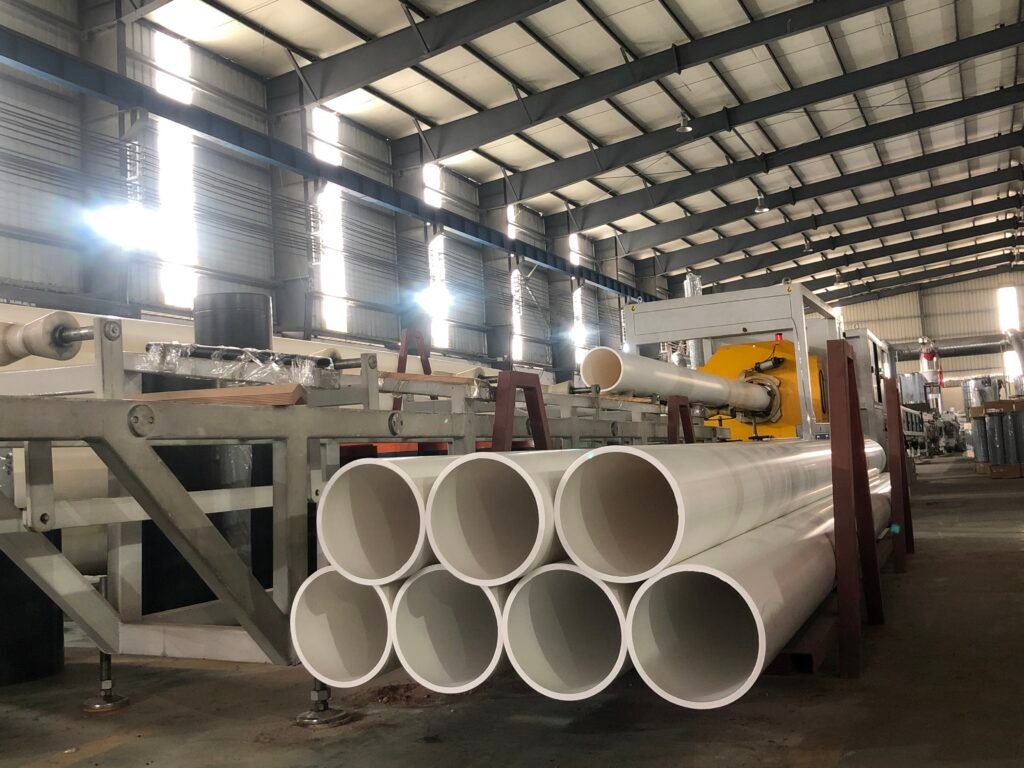
الاختلافات في التركيب الكيميائي
يتكون البولي إيثيلين عالي الكثافة (HDPE) عن طريق بلمرة مونومرات الإيثيلين، وسلسلته الجزيئية خطية ولا تحتوي على أي فروع تقريبًا.
يتكون PVC (كلوريد البوليفينيل) عن طريق بلمرة مونومرات كلوريد الفينيل، وتحتوي سلسلته الجزيئية على ذرات الكلور (-Cl). يحتوي على عدد أقل من الفروع، ولكن بنيته أكثر قطبية بسبب وجود ذرات الكلور.
الاختلافات في طرق التشكيل
طرق معالجة HDPE: القولبة بالحقن، القولبة بالنفخ، القولبة بالبثق.
طرق معالجة PVC: القولبة بالحقن، البثق، الكالنديرينج، القولبة بالنفخ، إلخ. يجب إضافة مواد مضافة مختلفة (مثل الملدنات والمثبتات) وفقًا للغرض.
الاختلافات البيئية
يحتوي البلاستيك على الكلور، ويطلق غازات سامة مثل كلوريد الهيدروجين والديوكسينات عند حرقه؛ وقد يبقى مونومر كلوريد الفينيل (مادة مسرطنة) أثناء عملية الإنتاج، وقد تنتقل الملدنات (مثل الفثالات) الموجودة في البلاستيك اللين إلى الأغذية أو البيئة.
لا يحتوي HDPE على الكلور، وينتج ثاني أكسيد الكربون والماء عند حرقه، مع عدم وجود غازات سامة تقريبًا (ولكن قد يتم إطلاق مونومرات منخفضة السمية عند درجات حرارة عالية).
الاختلافات في الخصائص الفيزيائية
HDPE مادة لينة في درجة حرارة الغرفة ومناسبة لصنع منتجات مرنة. وهي مقاومة للأحماض والقلويات والمذيبات العضوية.
البلاستيك اللين (PVC) مرن، بينما البلاستيك الصلب (PVC) صلب وهش. وهو مقاوم للأحماض والقلويات، ولكنه غير مقاوم للمذيبات مثل الهيدروكربونات العطرية والهيدروكربونات المهلجنة.
الاختلافات في مجالات التطبيق
يستخدم HDPE بشكل أساسي في البناء والأنابيب، وأنابيب المياه الجوفية (مقاومة قوية للتآكل)، وأنابيب الغاز.
يستخدم PVC بشكل رئيسي في مواد البناء: مقاطع الأبواب والنوافذ، وأنابيب المياه (PVC الصلبة)، وأغطية الأرضيات (PVC الناعمة).
HDPE مقابل PVC – المزايا والعيوب
مزايا البولي إيثيلين عالي الكثافة
إليك بعض المزايا التي ستحصل عليها من البولي إيثيلين عالي الكثافة:
قوة ميكانيكية جيدة وصلابة
ويتميز بكثافة عالية (0.941-0.965 جم/سم مكعب)، وبنية كثيفة، وهو صلب ومرن في آن واحد. يتميز بمقاومة قوية للصدمات (يمكنه الحفاظ على الصلابة حتى في درجات الحرارة المنخفضة)، وهو مناسب لتصنيع المنتجات التي تحتاج إلى تحمل الوزن أو مقاومة السقوط (مثل علب القمامة والحاويات الصناعية).
مقاومة قوية للتآكل الكيميائي
يتميز بتحمل جيد للأحماض والقلويات والمحاليل الملحية ومعظم المذيبات العضوية (مثل الكحوليات والألدهيدات والكيتونات)، ولا يتآكل بسهولة بسبب المواد الكيميائية، وغالبًا ما يستخدم في سيناريوهات مقاومة التآكل مثل صهاريج تخزين المواد الكيميائية وزجاجات تعبئة المبيدات.
أداء ممتاز في مكافحة الشيخوخة
البنية الجزيئية مستقرة ولا تتحلل بسهولة بسبب الأشعة فوق البنفسجية أو الأكسجين أو الرطوبة في البيئة الطبيعية. وله عمر افتراضي طويل في الهواء الطلق (على سبيل المثال، يمكن استخدام أنابيب المياه الجوفية لأكثر من 50 عامًا).
غير سام ومنخفض التلوث
لا يحتوي التركيب الكيميائي على مواد ضارة مثل الكلور والمعادن الثقيلة. تفي المنتجات (مثل حاويات البولي إثيلين عالي الكثافة من الدرجة الغذائية) بمعايير سلامة الأغذية ويمكن أن تلامس الأغذية مباشرةً بأمان عالٍ.
أداء عالي التكلفة
لا يلزم وجود أي إضافات معقدة أثناء المعالجة، ويمكن التحكم في التكلفة الإجمالية، كما أن المنتج متين وله تكلفة استخدام طويلة الأجل
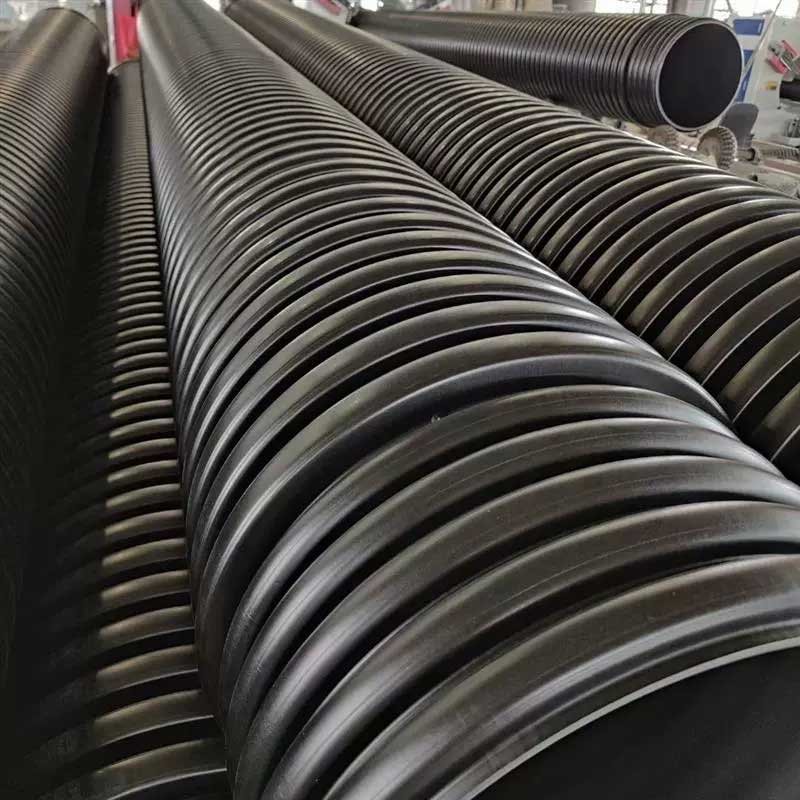
عيوب HDPE
عدم كفاية الصلابة والصلب
وبالمقارنة مع البولي بروبيلين (PP) أو البلاستيك الهندسي (مثل ABS)، فإن البولي إيثيلين عالي الكثافة يتميز بصلابة أضعف ومنتجاته عرضة “للانهيار اللين” (مثل الحاويات رقيقة الجدران عرضة للتشوه عند تحمل الأحمال). وهو ليس مناسبًا لتصنيع الأجزاء الهيكلية التي تتطلب صلابة عالية (مثل العلب الميكانيكية والأدوات عالية الصلابة).
مقاومة محدودة للتقادم الناتج عن الأشعة فوق البنفسجية
إن التعرض الطويل الأجل لأشعة الشمس (خاصةً في بيئة ذات أشعة فوق بنفسجية قوية) سيؤدي إلى تكسير السلاسل الجزيئية تدريجيًا، مما يتسبب في هشاشة المنتجات وتلاشيها (على سبيل المثال، إذا لم تتم إضافة مضادات الأكسدة ومواد امتصاص الأشعة فوق البنفسجية إلى أنابيب البولي إثيلين عالي الكثافة الخارجية، فقد يتم تقصير عمر الخدمة إلى أقل من 10 سنوات).
خصائص مضادة للكهرباء الساكنة ضعيفة
يتميز بخصائص عزل قوية وهو عرضة للكهرباء الساكنة بسبب الاحتكاك. وهو غير مناسب لتصنيع مواد تغليف المكونات الإلكترونية (يجب إضافة عوامل إضافية مضادة للكهرباء الساكنة) أو للاستخدام في البيئات القابلة للاشتعال والانفجار (مثل أنابيب محطات الوقود التي يجب استخدامها بحذر).
مزايا بولي كلوريد الفينيل
فيما يلي بعض المزايا التي ستجنيها من الـ PVC:
مقاومة فائقة للعوامل الجوية ومقاومة للتقادم
لديها مقاومة معينة للأشعة فوق البنفسجية. بعد إضافة المثبتات (مثل أملاح الرصاص ومثبتات الكالسيوم والزنك المركبة)، يمكن أن يصل عمر الخدمة في الهواء الطلق إلى 10-20 سنة (مثل مقاطع الأبواب والنوافذ البلاستيكية PVC لديها مقاومة أفضل للعوامل الجوية من الخشب وليس من السهل أن تتلاشى أو تتشوه).
أداء جيد في معالجة الأسطح
قطبية السطح عالية، والالتصاق بالحبر قوي، ويمكن طباعته مباشرةً دون معالجة مسبقة إضافية (مثل الطباعة الملونة للبطاقات البلاستيكية وصناديق التغليف)؛ كما أنه يتمتع بتوافق جيد مع الغراء والطلاء، وهو مناسب لتزيين السطح (مثل معالجة أغشية الأرضيات البلاستيكية PVC).
عزل كهربائي ممتاز
بمقاومة حجمية تبلغ 10¹³-10¹¹¹¹¹¹¹¹⁶Ω وثابت عازل منخفض، فهي مادة عازلة مثالية (مثل الطبقة العازلة للأسلاك والكابلات ومبيت المكونات الإلكترونية) وأكثر أمانًا من المطاط العادي.
تكلفة منخفضة للمواد الخام
تأتي المواد الخام للإنتاج بشكل أساسي من البترول والحجر الجيري (من خلال بلمرة مونومر كلوريد الفينيل)، وسعره أقل من بلاستيك البولي أوليفين مثل البولي إيثيلين والبولي بروبيلين. ميزة التكلفة كبيرة، خاصةً في الإنتاج على نطاق واسع (على سبيل المثال، سعر أنابيب PVC أقل من أنابيب البولي فينيل كلوريد الفينيل 10%-20% من أنابيب البولي إيثيلين عالي الكثافة).
تطبيقات متنوعة للتغليف والضروريات اليومية
عيوب مادة البولي فينيل كلوريد
مقاومة ضعيفة للصدمات
بعد انتقال الملدنات أو تطايرها (مثل منتجات PVC اللينة المستخدمة لفترة طويلة)، ستصبح المادة صلبة وهشة، وسيتدهور الأداء (مثل تشقق غلاف الأسلاك البلاستيكية القديمة).
العملية معقدة وتستهلك الكثير من الطاقة
من الضروري إضافة مجموعة متنوعة من المواد المضافة (المثبتات والملدنات ومواد التشحيم وما إلى ذلك)، ومن الصعب تصحيح الصيغة، وعملية الإنتاج أكثر تعقيدًا من البولي فينيل متعدد الكلوريد (على سبيل المثال، يتطلب بثق الأنابيب البلاستيكية تحكمًا دقيقًا في درجة الحرارة والضغط لتجنب التحلل).
قيمة إعادة التدوير منخفضة
لقد انخفض أداء مواد البولي فينيل كلوريد الفينيل المعاد تدويرها بشكل كبير ولا يمكن استخدامها عادةً إلا لإنتاج منتجات ذات قيمة مضافة منخفضة (مثل نعال الأحذية وحشوات مواد البناء). ومع ذلك، يمكن إعادة استخدام مواد البولي إيثيلين عالي الكثافة المعاد تدويرها في الأنابيب والحاويات وما إلى ذلك، وهي أكثر اقتصاداً في إعادة التدوير.
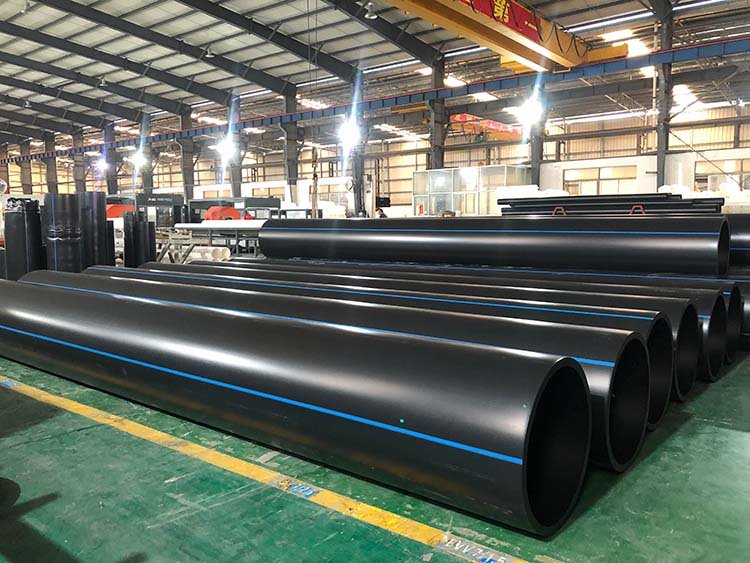
البولي إيثيلين عالي الكثافة HDPE مقابل PVC - تطبيقات الصناعة
التطبيقات النموذجية للبولي إيثيلين عالي الكثافة
- مجال التعبئة والتغليف: زجاجات الحليب، وزجاجات المنظفات، وأكياس تغليف المواد الغذائية (مقاومة لدرجات الحرارة المنخفضة).
- المباني وخطوط الأنابيب: خطوط أنابيب المياه تحت الأرض (مقاومة قوية للتآكل)، وخطوط أنابيب الغاز.
- المستلزمات اليومية: سلال القمامة وألواح التقطيع البلاستيكية والألعاب.
- المجال الصناعي: الحاويات الكيميائية، والأغشية غير المنفذة (مثل بطانات مدافن النفايات).
التطبيقات النموذجية للبلاستيك
- مواد البناء: مقاطع الأبواب والنوافذ، وأنابيب المياه (PVC الصلبة)، وأغطية الأرضيات (PVC اللينة).
- مواد التعبئة والتغليف: غلاف بلاستيكي (ناعم)، علبة تغليف الأدوية (صلبة وشفافة).
- المستلزمات اليومية: الجلد الصناعي والصنادل البلاستيكية والألعاب القابلة للنفخ.
- المجال الصناعي: الطبقة العازلة للأسلاك والكابلات (مقاومة الجهد)، خطوط الأنابيب المضادة للتآكل.
الخاتمة
يكمن الاختلاف الأساسي بين البولي إيثيلين عالي الكثافة والبولي فينيل كلوريد متعدد الفينيل في وجود أو عدم وجود الكلور في التركيب الجزيئي، مما يؤثر بشكل مباشر على الخصائص الفيزيائية وطرق المعالجة وسيناريوهات الاستخدام لكليهما. يُعرف البولي إيثيلين عالي الكثافة بمقاومته للعوامل الجوية والمقاومة الكيميائية وحماية البيئة، ويستخدم في الغالب في التعبئة والتغليف والأنابيب؛ أما البولي فينيل كلوريد الفينيل فيمكن تعديله لتلبية المتطلبات المختلفة اللينة والصلبة من خلال الإضافات، ولكن هناك الكثير من الجدل البيئي، ويستخدم بشكل أساسي في البناء والضروريات اليومية. في التطبيقات الفعلية، يمكن اختيار المواد المناسبة بناءً على متطلبات الأداء والتكلفة والمتطلبات البيئية.


