
Коли йде дощ, навіть у будинках з хорошою звукоізоляцією можна почути жахливе булькотіння з водостічних труб, яке час від часу долинає ззовні. Це пов'язано з самопливними водостічними трубами. Коли об'єм води досить великий, сила тяжіння створює високий тиск на вході в водостічну трубу, перешкоджаючи падінню води і змушуючи її падати в трубу з великою кількістю повітря. Ці бульбашки повітря, що несуть потік води, сильно труться об стінки труби, що призводить до гучного шуму. Водночас, оскільки на потік води постійно впливає тиск зверху, швидкість потоку надзвичайно низька.
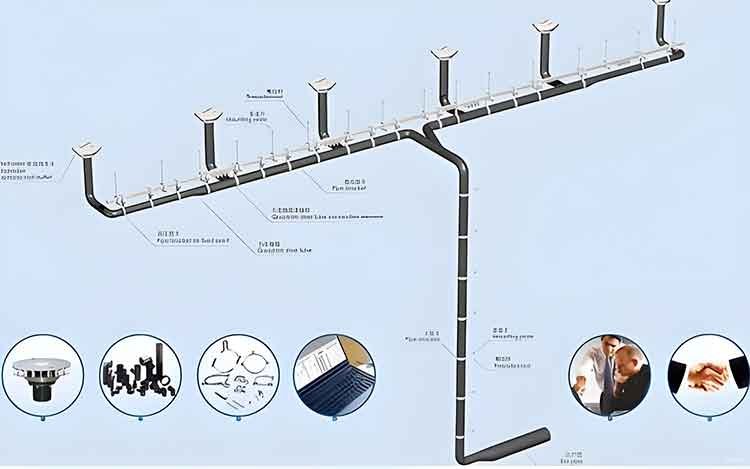
Що таке сифонна дренажна система
Сифонна дренажна система - це пристрій, який використовує принцип сифона для досягнення високоефективного водовідведення, особливо підходить для дренажу дахів великих будівель, таких як аеропорти та стадіони. Вона використовує негативний тиск у трубах для швидкого відведення дощової води, що робить її більш ефективною і компактною, ніж традиційний гравітаційний дренаж.
Простіше кажучи, її основний принцип полягає в сифонному ефекті: коли дощова вода потрапляє в систему через спеціально сконструйований дощоприймач, повітря ізолюється, створюючи потік по всій трубі і створюючи негативний тиск, який швидко виводить дощову воду назовні. Система, як правило, складається з противихрових дощоприймачів, підвісних труб, стояків і заглиблених труб, і часто виготовляється з ударостійкого ПНД з терміном служби до 50 років.
Особливості сифонної системи водовідведення
На ранніх стадіях дощу, якщо накопичена дощова вода на даху не перевищує розраховану висоту дощової води в сифонному дощоприймачі, спосіб водовідведення всієї системи сифонного водовідведення такий же, як і для самопливної системи.
Як тільки висота дощової води на даху перевищить розраховану висоту дощових опадів у сифонній воронці, в трубах сифонної системи виникне сифонний ефект, і водостічні труби в системі опиняться в стані повного потоку. В цей час вода в трубах тече з великою швидкістю, і дощова вода на даху виводиться назовні з великою швидкістю потоку під всмоктуючим ефектом негативного тиску в трубах.
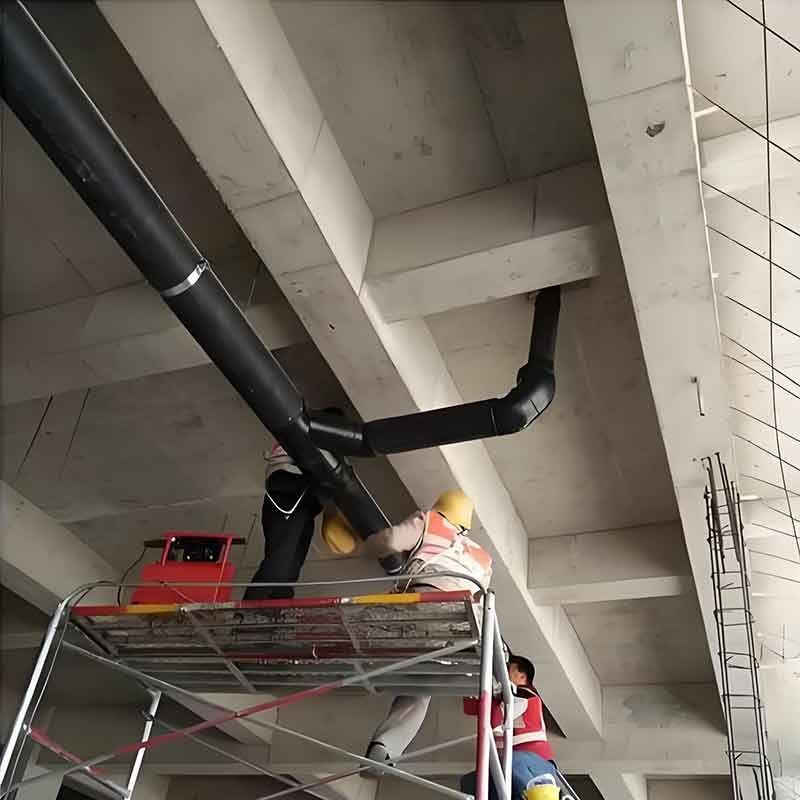
Переваги труб ПНД
Його можна з'єднати за допомогою стикового та конденсаторного зварювання, що полегшує формування закритої системи запобігання просочуванню. Особливо при прокладанні труб уздовж траншей, це дозволяє зменшити обсяг риття траншей і кількість використовуваних фітингів.
Труби ПНД легкі та прості в монтажі.
Висока зносостійкість і міцність на стиск
Труби ПНД мають надзвичайно високу хімічну корозійну стійкість і підходять для транспортування стічних вод, природного газу, вугільного газу та інших речовин.
Він має тривалий термін служби, що перевищує майже 50 років.
Висновок
У сифонній дренажній системі пропускна здатність дренажної труби значно більша, ніж у самопливній дренажній системі з трубою того ж діаметру.
При однаковому об'ємі дощової води сила удару води об стінки труб в сифонній системі водовідведення набагато більша і сильніша.
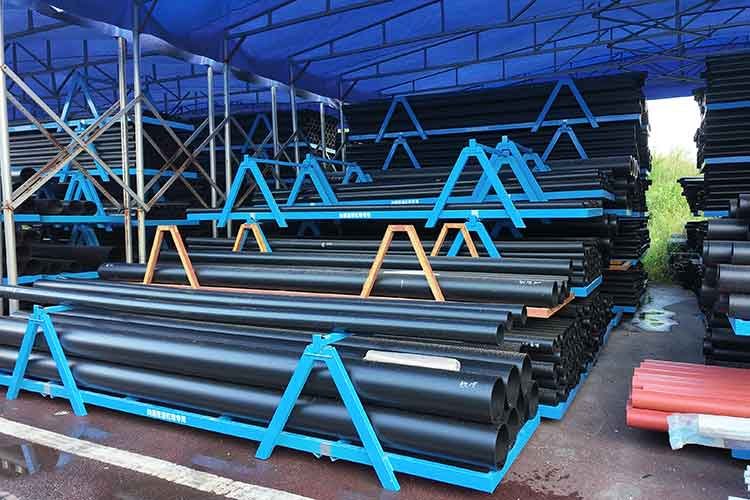
Тому сифонні труби витримують від'ємний тиск, що вимагає винятково високої міцності труб. Звичайні ПЕ труби недостатньо для задоволення вимог до тиску в системах сифонного водовідведення. Необхідно використовувати спеціалізовані труби та фітинги з ПНД.
ЧАСТІ ЗАПИТАННЯ
Як встановлюється сифонна дренажна система?
Встановлення сифонної системи водовідведення вимагає певних технічних знань. Дозвольте мені окреслити ключові етапи та моменти, щоб дати вам чітке розуміння.
Основний процес зазвичай складається з таких етапів: підготовка будівництва → підготовка труб → встановлення підвісних кронштейнів → монтаж стояків → монтаж заглиблених труб → випробування системи на заповнення водою. До кожного етапу висуваються свої вимоги. Наприклад, з'єднання труб має бути виконано за допомогою зварювання гарячим розплавом, підвісний кронштейн повинен бути закріплений на несучій конструкції, а похибка вертикальності стояка не повинна перевищувати 3 мм.
Які інструменти потрібні для монтажу сифонної дренажної системи?
I. Механічне обладнання
Електрофузійний зварювальний апарат: Використовується для з'єднання гарячим розплавом труб ПНД для забезпечення герметизації труб.
Зварювальний апарат для стикового зварювання: Підходить для стикового зварювання труб ПНД великого діаметру.
Кутова шліфувальна машина: Використовується для шліфування торців труб, щоб забезпечити гладку поверхню зварного шва.
Електричний зварювальний апарат: Використовується для зварювання металевих трубних фітингів або опор.
Відрізний верстат: Використовується для різання труб для забезпечення вертикальних зрізів.
Рівень: Використовується для вирівнювання труб під час монтажу.
II. Загальні та спеціальні інструменти
Ключ, викрутка: Використовується для затягування трубних з'єднань.
Напилок: використовується для згладжування задирок на трубах.
Дерев'яний молоток: Використовується для простукування та регулювання труб під час монтажу.
III. Вимірювальне, інспекційне та випробувальне обладнання
Сталева рулетка: використовується для вимірювання довжини труб.
Штангенциркуль: Використовується для точного вимірювання діаметра труби.
Кутник: Використовується для калібрування кутів труб.
Рівень: Використовується для вирівнювання труб під час монтажу.
IV. Інші інструменти
Кабельні стяжки: Використовуються для кріплення труб, наприклад, перед встановленням фітингів для сифонної каналізації.
Маркер: Використовується для розміщення позначок перед прокладанням труб.


