
Tangki Pemanenan Air Hujan
Tangki penampungan air hujan adalah komponen sistem yang dapat digunakan untuk mengumpulkan, menyimpan, dan memanfaatkan air hujan. Tangki ini banyak digunakan dalam konstruksi, berkebun, teknik kota, dan bidang lainnya untuk mencapai konservasi air dan pemanfaatan yang berkelanjutan.
Kirim Pertanyaan Anda Hari Ini
Produsen Tangki Pemanenan Air Hujan di Cina
Tangki Pemanenan Air Hujan adalah bagian dari sistem pengumpulan dan pemanfaatan air hujan untuk konstruksi kota spons, yang secara efektif meresap, menahan, menyimpan, memurnikan, memanfaatkan, dan membuang air hujan. Air hujan yang dikumpulkan oleh Modul Air Hujan Hualin dapat digunakan untuk menyiram toilet, menyirami jalan dan halaman rumput, mengisi fitur air, dan banyak lagi.
Tangki Pemanenan Air Hujan
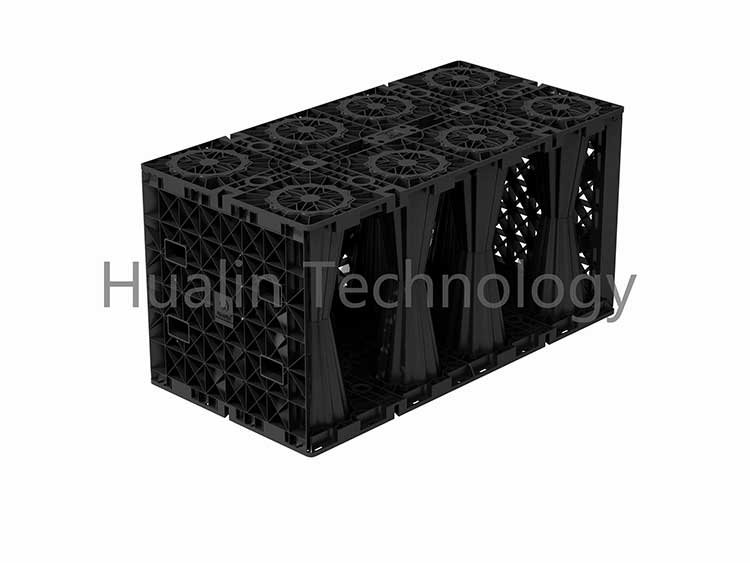
Tangki Pemanenan Air Hujan 60T
Kirim Pertanyaan Anda Hari Ini
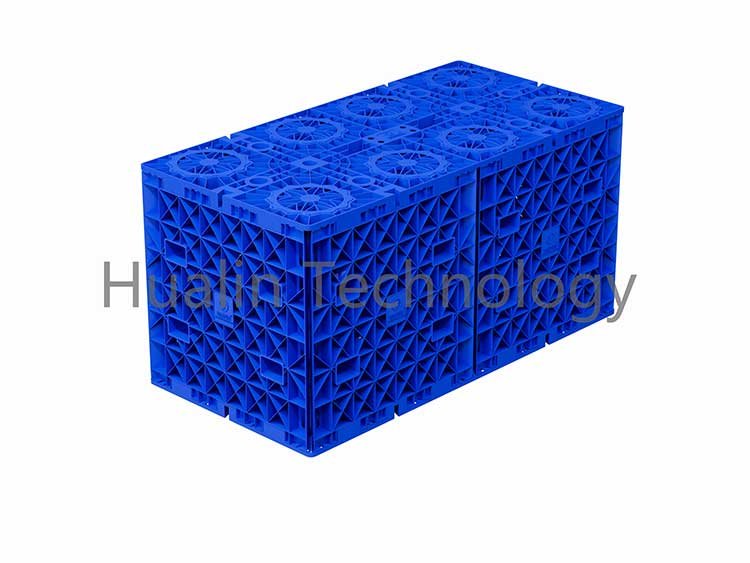
Tangki Pemanenan Air Hujan 80T
Kirim Pertanyaan Anda Hari Ini
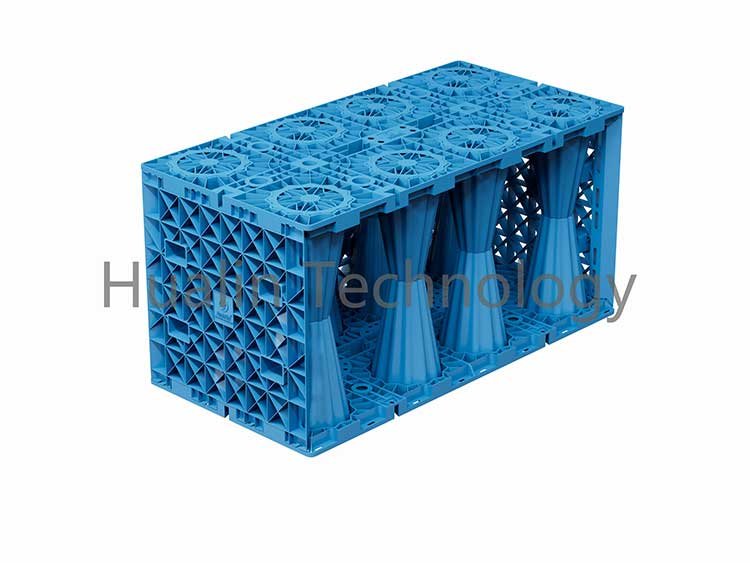
Tangki Pemanenan Air Hujan 100T
Kirim Pertanyaan Anda Hari Ini
Spesifikasi Tangki Penampungan Air Hujan
| Bahan | Polipropilena Perawan (PP) |
| Warna | Hitam/Biru |
| Dimensi | 1000 × 500 × 500 mm |
| Tinggi [h] * | 500mm |
| Berat *(1 m3) (tanpa aksesori) | Biru: 37,6/42,4/47,6 kg Hitam: 38,4/44,0/49,2 kg |
| Volume | 0,25m3 (4 lembar = 1m3) |
| Volume bersih | 0.2375m3 |
| Rasio Kekosongan | 95% |
| Kelas Beban | 20T/30T/45T/60T/70T/80T/90T/ 100T |
| Tempat produksi | Provinsi Guangdong, Kota Foshan, Tiongkok |
Fitur Tangki Pemanenan Air Hujan
Tangki Panen Air Hujan tidak hanya secara efisien mengumpulkan dan menyimpan air hujan, tetapi juga, melalui desain modularnya, dapat diintegrasikan secara fleksibel ke dalam lanskap perkotaan, memungkinkan infiltrasi alami dan pemurnian sumber daya air hujan. Hal ini sejalan dengan prinsip “penyebaran sumber, drainase lambat, dan pelepasan berkelanjutan” yang dianjurkan dalam pembangunan berdampak rendah. Jika dikombinasikan dengan langkah-langkah pembangunan berdampak rendah seperti atap hijau dan trotoar permeabel, Tangki Pemanenan Air Hujan dapat membentuk sistem pengelolaan air hujan berlapis, yang secara efektif memitigasi limpasan permukaan dan mengurangi risiko banjir perkotaan.
Kirim Pertanyaan Anda Hari Ini
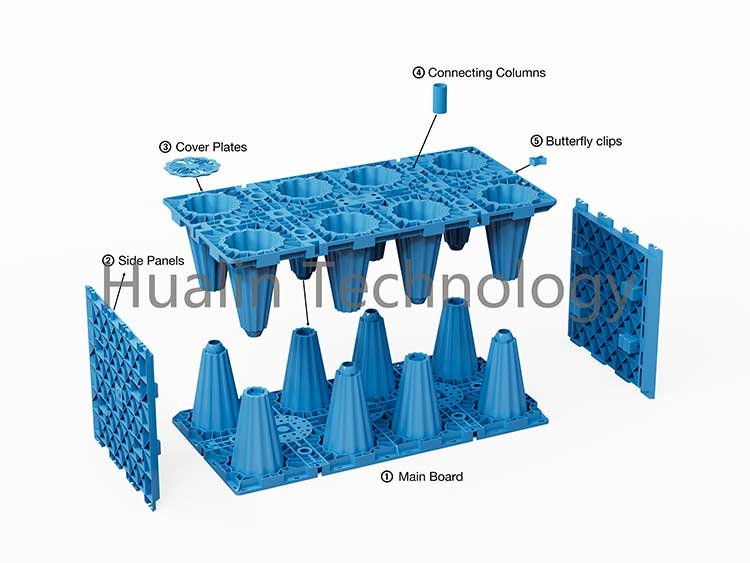

Keuntungan utama Tangki Panen Air Hujan
Kirim Pertanyaan Anda Hari Ini
Aplikasi Tangki Pemanenan Air Hujan
Kirim Pertanyaan Anda Hari Ini

Lokasi pembangunan Tangki Penampungan Air Hujan
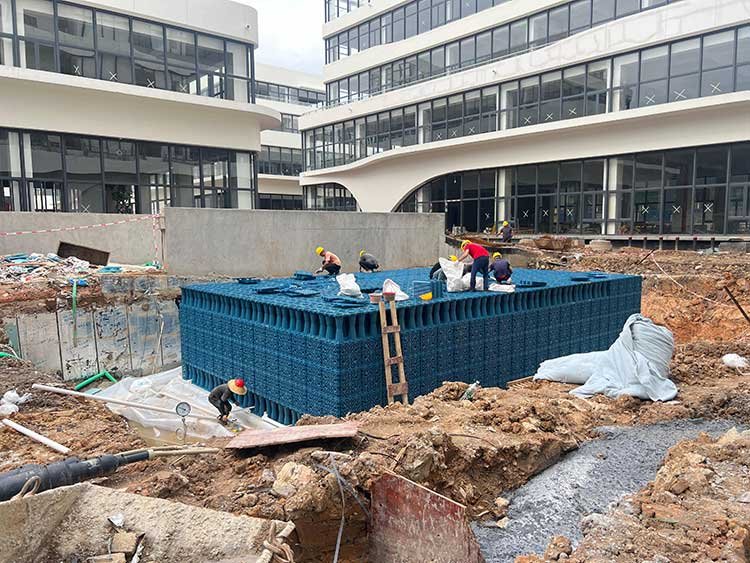
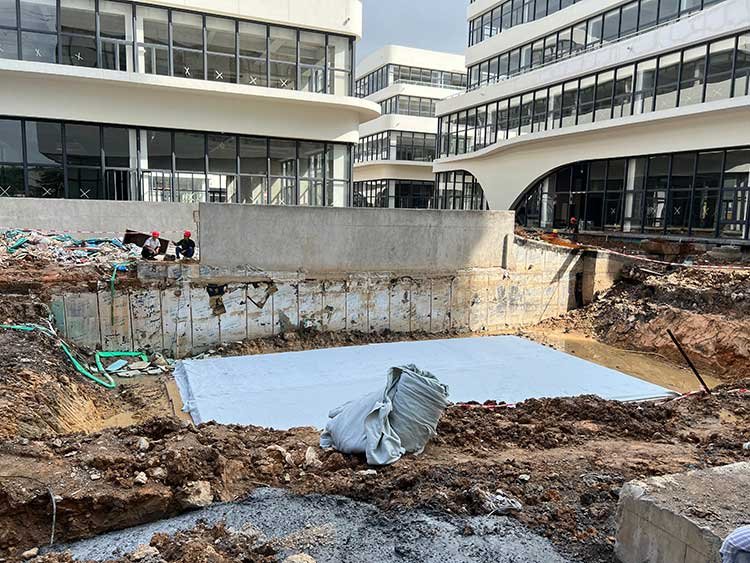
Modul air hujan plastik digabungkan untuk membentuk kolam bawah tanah. Tergantung pada kebutuhan proyek, kolam dapat dibungkus dengan geotekstil kedap air atau permeabel satu arah untuk membuat tangki penyimpanan air atau kolam resapan dan pengendali banjir. Modul air hujan mudah dipasang, memiliki kapasitas beban yang tinggi, dan tahan terhadap nyamuk, lalat, dan ganggang. Modul ini cocok untuk pemanfaatan air hujan yang komprehensif di area perumahan besar, kawasan industri, plaza, dan area lainnya.
Langkah-langkah Instalasi
Penampungan Air Hujan Mengapa Menggunakan Tangki Penampungan Air Hujan
Perlindungan Lingkungan dan Pemanfaatan Sumber Daya
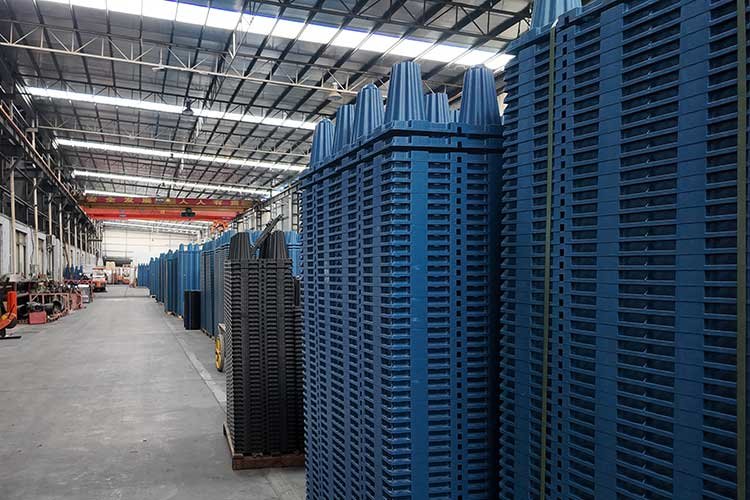
Modul air hujan terbuat dari plastik PP, yang tidak beracun, ramah lingkungan, dan dapat didaur ulang. Modul ini secara efektif mengurangi banjir perkotaan, mengendalikan polusi limpasan, dan mengatur tingkat air tanah. Air hujan yang terkumpul dapat digunakan untuk mencuci jalan, irigasi taman, pendinginan industri, dan aplikasi lain setelah pengolahan, mengurangi ketergantungan pada pasokan air kota.
Penyimpanan yang Efisien dan Manajemen yang Cerdas
Modul generasi baru ini menggunakan struktur sarang lebah untuk meningkatkan kekuatan tekan dan efisiensi penyimpanan air. Perakitan modularnya memungkinkan adaptasi yang fleksibel untuk berbagai medan. Sistem penyaringan tiga tahap yang terintegrasi secara otomatis menjebak kotoran, memastikan kualitas air memenuhi standar untuk penggunaan kembali air reklamasi. Didukung oleh teknologi IoT, sistem ini memantau ketinggian air, kualitas air, dan status peralatan secara real time, mengintegrasikan prakiraan cuaca untuk mengoptimalkan penyimpanan air dan penggunaan air, serta meningkatkan efisiensi penjadwalan sumber daya air hingga lebih dari 40%.
Manfaat Ekonomi dan Optimalisasi Ruang
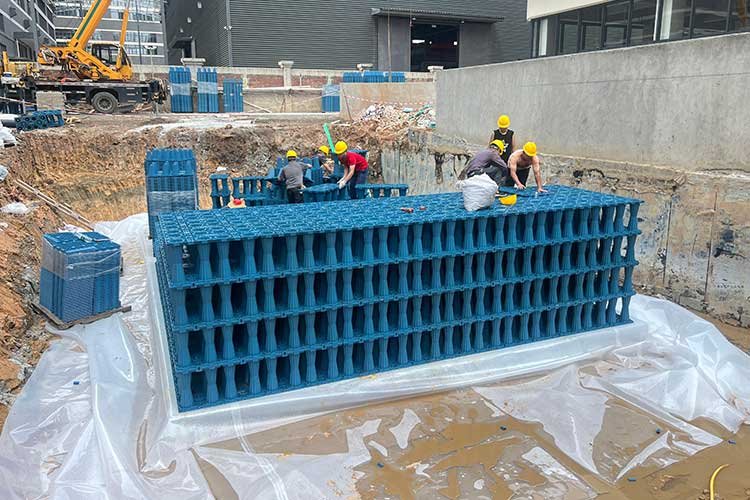
Modul air hujan mudah dipasang dan dilepas, membuatnya sangat efisien di ruang bawah tanah dan menghilangkan kebutuhan ruang di atas tanah. Dibandingkan dengan waduk tradisional, modul ini menawarkan biaya transportasi dan perawatan yang lebih rendah dan masa pakai lebih dari 40 tahun, tanpa memerlukan perawatan rutin. Dalam skenario seperti area perumahan dan kawasan industri, kombinasi modul dapat dengan cepat membangun jaringan pengumpulan air hujan terdistribusi, membentuk struktur “spons” perkotaan dan mengurangi tekanan pada jaringan pipa kota.
Produk Terkait
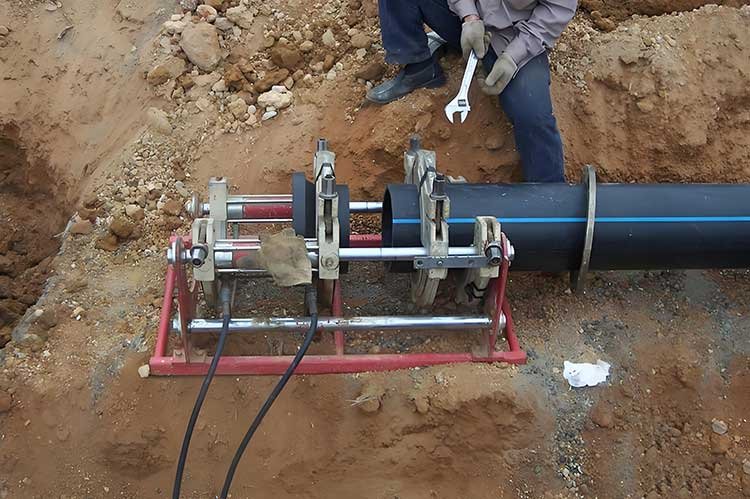
Apa itu Pengelasan Elektrofusi PE?
Metode sambungan pipa PE yang paling umum dalam instalasi pipa meliputi: sambungan fusi panas, sambungan elektrofusi...
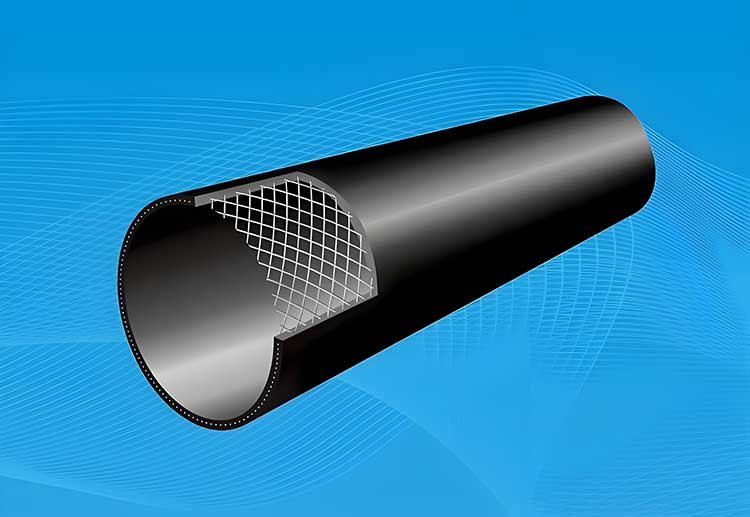
Apa itu Pipa Komposit Jaring Kawat Baja PE?
Apakah Anda mencari plastik yang cocok untuk suplai air dan drainase kota? Kawat baja PE ...
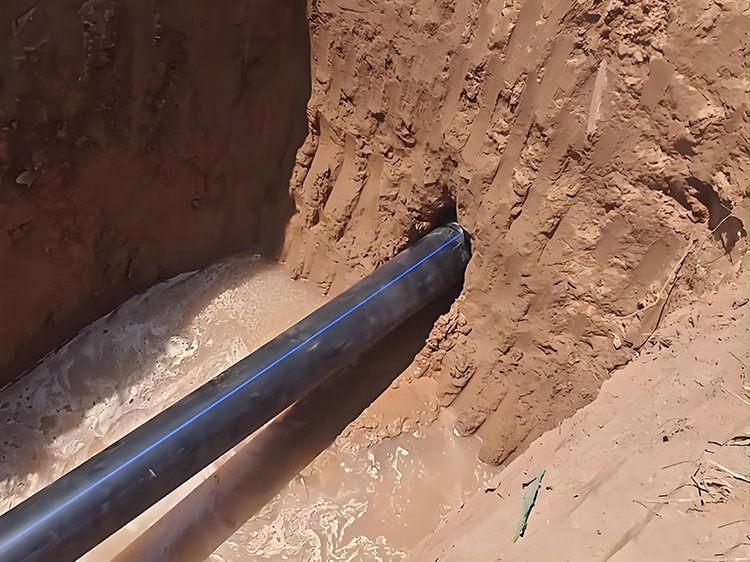
Panduan Komprehensif untuk Teknologi Pipa PE Tanpa Parit
Dengan percepatan urbanisasi global, konstruksi kota membutuhkan peletakan dan penggantian...
Mengapa menggunakan pipa HDPE dalam sistem drainase siphon?
Saat hujan turun, Anda bisa mendengar suara gemericik yang menakutkan, yang kadang-kadang berasal dari pipa pembuangan,...
Penunjukan Spesifikasi Pipa - Panduan Komprehensif
Spesifikasi pipa biasanya ditunjukkan dengan menggunakan berbagai metode seperti DN, inci, D, Φ, De,...
Cara menghitung ketebalan dinding pipa PE
Pipa PE (Polyethylene) banyak digunakan dalam sistem penyediaan air dan drainase perkotaan, gas, telekomunikasi, dan tenaga listrik…


