
6 inch pvc pipe
Send Your Inquiry Today
6 inch pvc pipe Manufacturer
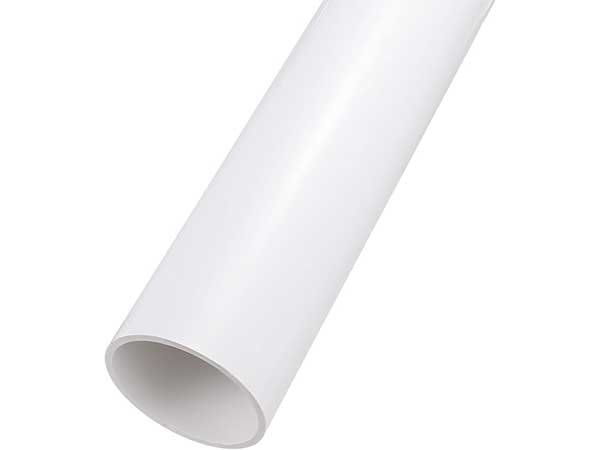
6 inch PVC pipe refers to polyvinyl chloride pipe with a nominal diameter of 6 inches (approximately 150 mm)
6 inch pvc pipe Features
6 inch pvc pipe Application Fields
- In residential and commercial buildings, 6 inch PVC pipe is often used in main sewer pipes or stormwater drainage systems, which can effectively handle large amounts of wastewater and stormwater to prevent waterlogging and waterlogging.
- 6 inch PVC pipes are used in underground sewage, rainwater collection and drainage systems and are widely adopted due to their corrosion resistance, light weight and easy installation.
- For large-scale farm irrigation projects, 6 inch PVC pipes can be used as the main water supply pipeline to provide sufficient water supply to ensure that crops are adequately irrigated.
- As a protective sleeve for power cables, 6-inch PVC pipe can prevent cables from mechanical damage, moisture and other environmental factors, ensuring safe and stable power transmission.
- 6 inch PVC pipes are used to transport raw sewage or treated water to support the different stages of the sewage treatment process.
6 inch pvc pipe Connection Method
Glue bonding
- Before making a connection, make sure the pipe ends and the inside of the pipe are clean and dust-free, apply an appropriate amount of glue, quickly insert it and rotate it a certain angle to ensure even distribution, then keep it for a few seconds to allow the glue to initially solidify.
Elastic sealing ring connection
- During installation, simply put the fittings equipped with rubber rings on the pipe ends and push them into place. This method allows a certain degree of thermal expansion and contraction and ground movement, and is suitable for outdoor or long-distance pipeline systems.
Flange connection
- Flanges usually consist of two matching parts that are fixed to the ends of two pipe sections and fastened together by bolts, with a gasket placed in between to enhance the sealing effect.
6 inch PVC pipe has become a common choice for large-diameter water supply and drainage and industrial fluid transportation due to its 168.3mm outer diameter, flexible pressure rating design and excellent corrosion resistance. It performs particularly well in scenarios that require a balance between cost, corrosion resistance and construction efficiency.
Related Articles
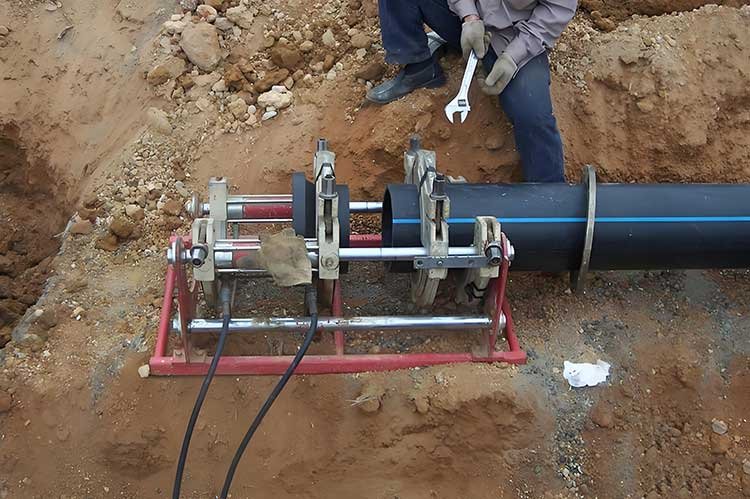
What is PE Electrofusion Welding?
The most common PE pipe connection methods in pipeline installation include: heat fusion connection, electrofusion…
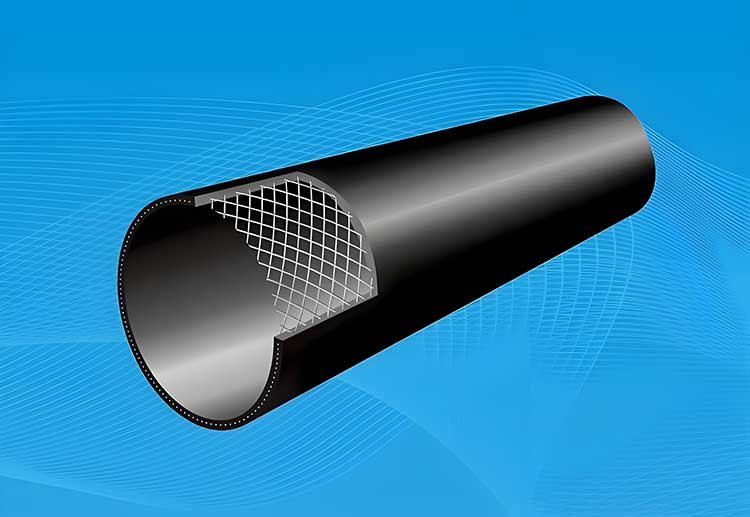
What is PE Steel Wire Mesh Composite Pipe?
Are you looking for plastics suitable for municipal water supply and drainage? PE steel wire…
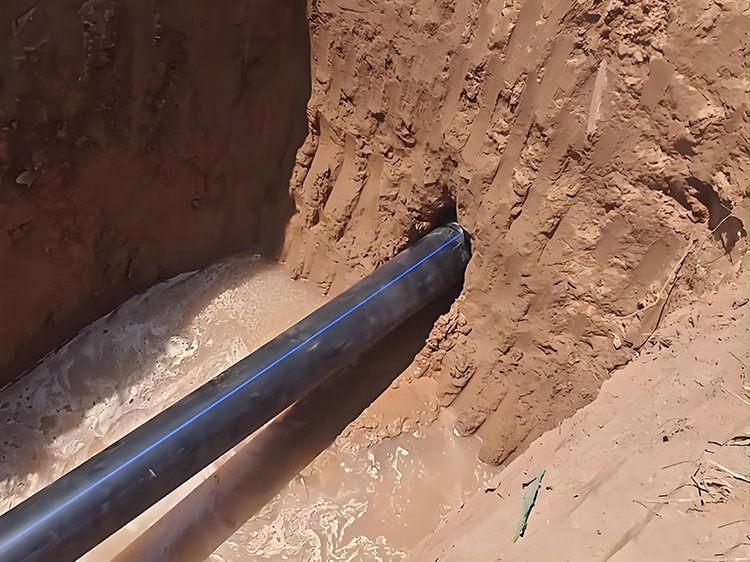
Comprehensive Guide to Trenchless PE Pipe Technology
With the acceleration of global urbanization, municipal construction requires the laying and replacement of a…
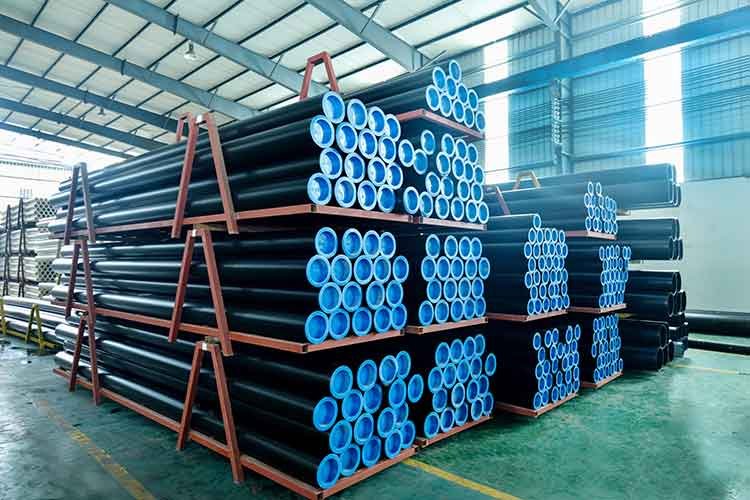
Why use HDPE pipes in siphon drainage systems?
When it rains, you can hear a terrifying gurgling sound occasionally coming from the drainpipes,…
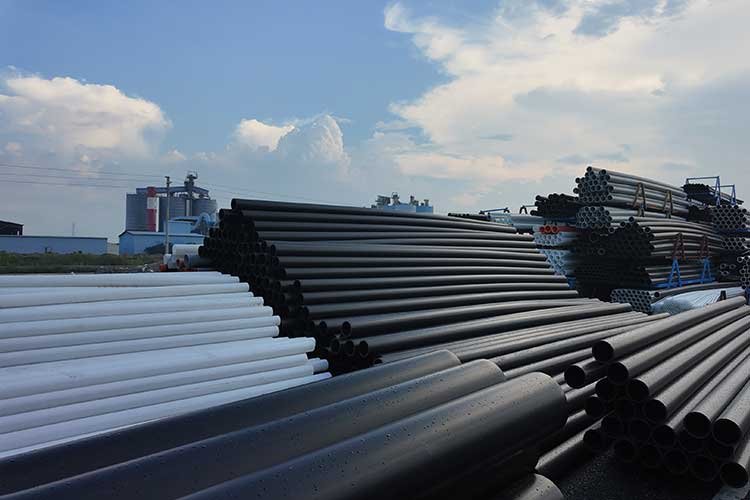
Pipe Specification Designation – Comprehensive Guide
Pipe specifications are commonly indicated using various methods such as DN, inch, D, Φ, De,…
How to calculate PE pipe wall thickness
PE pipes are widely used in urban water supply and drainage, gas, telecommunications, and power…


