
En el procesamiento de plásticos, uno de los equipos más importantes es la máquina de moldeo por inyección o la extrusora. Con la ayuda de un sistema de moldes adecuado, los plásticos pueden transformarse en formas complejas.
En este artículo se analizarán los aspectos fundamentales de las máquinas de moldeo por inyección, incluyendo sus tipos, estructuras, composición, principios de funcionamiento y aplicaciones clave en la industria del procesamiento de plásticos.
Vayamos directamente al grano:
¿Qué es una máquina de moldeo por inyección?
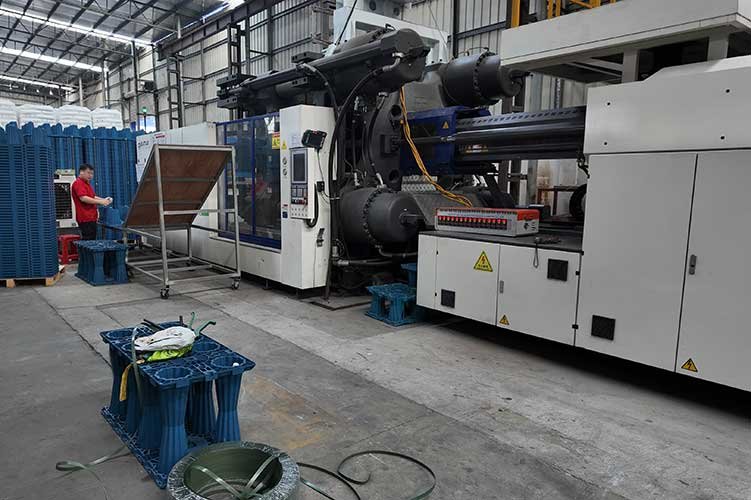
Las máquinas de moldeo por inyección, también conocidas como prensas de inyección, son el equipo principal para el moldeo por inyección. Su función consiste en transformar los materiales termoplásticos, a partir de materias primas granuladas, en los productos moldeados finales, completando en cada etapa un ciclo de fusión, inyección, mantenimiento de la presión y enfriamiento. Las máquinas de moldeo por inyección se utilizan ampliamente en diversos campos, tales como piezas de maquinaria, industria de defensa, ingeniería de telecomunicaciones, transporte, industria de instrumentación, ingeniería electrónica y eléctrica, aviación, construcción, agricultura, medicina y vida cotidiana.
Principio de funcionamiento de una máquina de moldeo por inyección
El principio de funcionamiento de una máquina de moldeo por inyección comprende principalmente los siguientes pasos:
Alimentación cuantitativa
Se añade plástico granulado a la máquina de moldeo por inyección.
Fusión y plastificación
La máquina de moldeo por inyección calienta el plástico, convirtiéndolo en un estado líquido.
Inyección a presión
El plástico fundido se inyecta en el molde a alta presión.
Llenado y enfriamiento del molde
El plástico se enfría y se solidifica dentro del molde.
Apertura del molde y extracción de la pieza
Se abre el molde y se retira la pieza moldeada.
Principales tipos de máquinas de moldeo por inyección
Máquina de moldeo por inyección vertical
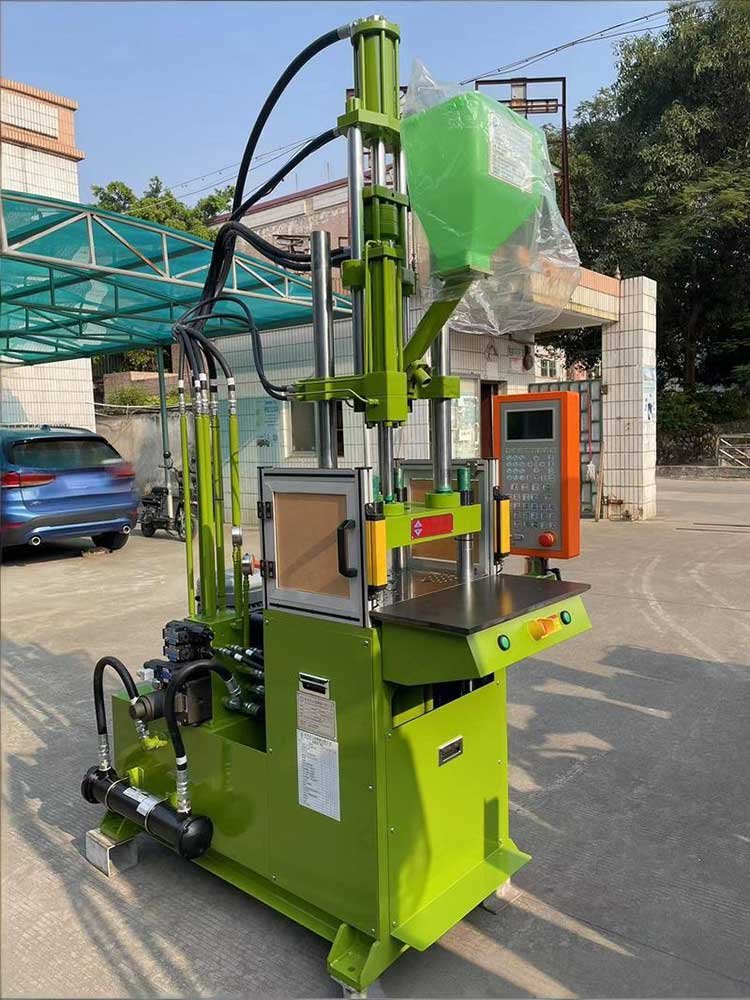
Adecuado para la producción de piezas pequeñas.
Máquina de moldeo por inyección horizontal
Adecuado para la fabricación de piezas de gran tamaño.
Máquina de moldeo por inyección totalmente eléctrica
Funciona con motor eléctrico y es ideal para procesos de producción que exigen una alta precisión.
Composición de las máquinas de moldeo por inyección
Sistema de inyección
La función del sistema de inyección: El sistema de inyección es uno de los componentes más importantes de una máquina de moldeo por inyección. Generalmente, existen tres tipos principales: tipo de émbolo, tipo de tornillo y tipo de inyección de émbolo con preplasticización por tornillo. El tipo de tornillo es el más utilizado. Su función es calentar y plastificar una cierta cantidad de plástico dentro de un tiempo específico durante un ciclo de la máquina de moldeo por inyección, y luego inyectar el plástico fundido en la cavidad del molde a través del tornillo bajo cierta presión y velocidad. Tras la inyección, mantiene la forma del material fundido inyectado en la cavidad del molde. El sistema de inyección consta de un dispositivo de plastificación y un dispositivo de transmisión de potencia. El dispositivo de plastificación de una máquina de moldeo por inyección de tipo tornillo consta principalmente de un dispositivo de alimentación, un cilindro, un tornillo, un conjunto de llenado de pegamento y una boquilla. El dispositivo de transmisión de potencia incluye el cilindro de inyección, el cilindro de movimiento del asiento de inyección y el dispositivo de accionamiento del tornillo (motor de fusión).
Sistema de cierre de moldes
Función del sistema de cierre del molde: El sistema de cierre del molde garantiza que este se cierre, se abra y expulse el producto. Al mismo tiempo, una vez cerrado el molde, proporciona la fuerza de sujeción suficiente para resistir la presión generada en la cavidad del molde por el plástico fundido que entra en ella, evitando así que se produzcan huecos en el molde y que el producto presente defectos. Sistema hidráulico: El sistema de transmisión hidráulica proporciona la potencia necesaria para que la máquina de moldeo por inyección realice las diversas acciones requeridas por el proceso, y cumple con los requisitos de presión, velocidad y temperatura de cada parte de la máquina. Consiste principalmente en diversos componentes hidráulicos y componentes hidráulicos auxiliares, siendo la bomba de aceite y el motor la fuente de potencia. Diversas válvulas controlan la presión y el caudal del aceite para satisfacer los diversos requisitos del proceso de moldeo por inyección.
Control eléctrico
El sistema de control eléctrico funciona en conjunto con el sistema hidráulico para cumplir con los requisitos del proceso de la máquina de moldeo por inyección (presión, temperatura, velocidad, tiempo) y diversas acciones programadas. Se compone principalmente de componentes eléctricos y electrónicos, instrumentos, calentadores y sensores. Por lo general, existen cuatro modos de control: manual, semiautomático, totalmente automático y ajustable.
Calefacción/Refrigeración
El sistema de calentamiento calienta el cilindro y la boquilla de inyección. El cilindro de la máquina de moldeo por inyección suele utilizar una bobina de calentamiento eléctrica como dispositivo de calentamiento, instalada externamente y controlada por termopares en secciones. El calor se transmite a través de la pared del cilindro para proporcionar una fuente de calor que permita la plastificación del material. El sistema de enfriamiento se encarga principalmente de enfriar la temperatura del aceite; una temperatura excesivamente alta del aceite puede provocar diversos fallos de funcionamiento, por lo que es necesario controlarla. Otra zona que requiere enfriamiento es la cercana a la salida de material del tubo de alimentación, para evitar que la materia prima se derrita en la salida, lo que podría impedir la alimentación normal del material.
Sistema de lubricación
El sistema de lubricación lubrica las piezas móviles de la máquina de moldeo por inyección, como la platina móvil, el dispositivo de ajuste del molde, las bielas y la unidad de inyección. Esto reduce el consumo de energía y prolonga la vida útil de las piezas. La lubricación puede realizarse de forma manual o automática mediante un sistema de lubricación eléctrico.
Supervisión de la seguridad
Los dispositivos de seguridad de la máquina de moldeo por inyección están diseñados principalmente para proteger al personal y al equipo. Consisten principalmente en puertas de seguridad, deflectores de seguridad, válvulas hidráulicas, interruptores de límite y elementos de detección fotoeléctricos, lo que permite una protección interconectada entre los sistemas eléctricos, mecánicos e hidráulicos.
El sistema de monitoreo supervisa principalmente la temperatura del aceite de la máquina de moldeo por inyección, la temperatura del material, las sobrecargas del sistema y las fallas en el proceso y el equipo, y emite indicaciones o alarmas cuando detecta anomalías.
Principales aplicaciones
Las máquinas de moldeo por inyección desempeñan un papel fundamental en la industria del moldeo de plásticos. Entre sus usos más prácticos y comunes se incluyen:
- Carcasas de los faros, molduras interiores, parachoques, etc.
- Carcasa del monitor, ratón, teclado, cable de datos USB, etc.
- Carcasa de calentador de agua, carcasa de cocina de inducción, carcasa de olla arrocera, etc.
- Vasos de agua desechables, taburetes de plástico, juguetes para niños, etc.
- Módulo de recogida de agua de lluvia de PP
Conclusión
El procesamiento de plásticos se refiere a la fabricación de diversas piezas, desde las más sencillas hasta las más complejas, mediante máquinas de moldeo por inyección. Una vez seleccionada una máquina adecuada con el tonelaje y el sistema de moldes apropiados, se pueden fabricar diferentes piezas de plástico.
En Hualin, utilizamos máquinas de moldeo por inyección para fabricar diversos módulos de recogida de agua de lluvia de PP, todos ellos personalizados según los requisitos del cliente. Para cualquier necesidad de módulos de recogida de agua de lluvia de PP a medida, Envíe una consulta ahora.


