
Rainwater Harvesting Tanks
Rainwater harvesting tanks are system components that can be used to collect, store and utilize rainwater. They are widely used in construction, gardening, municipal engineering and other fields to achieve water conservation and sustainable utilization.
Send Your Inquiry Today
Rainwater Harvesting Tanks Manufacturer in China
The Rainwater Harvesting Tanks is part of the rainwater collection and utilization system for sponge city construction, effectively infiltrating, retaining, storing, purifying, utilizing, and discharging rainwater. The rainwater collected by the Hualin Rainwater Module can be used for flushing toilets, watering roads and lawns, replenishing water features, and more.
Rainwater Harvesting Tanks
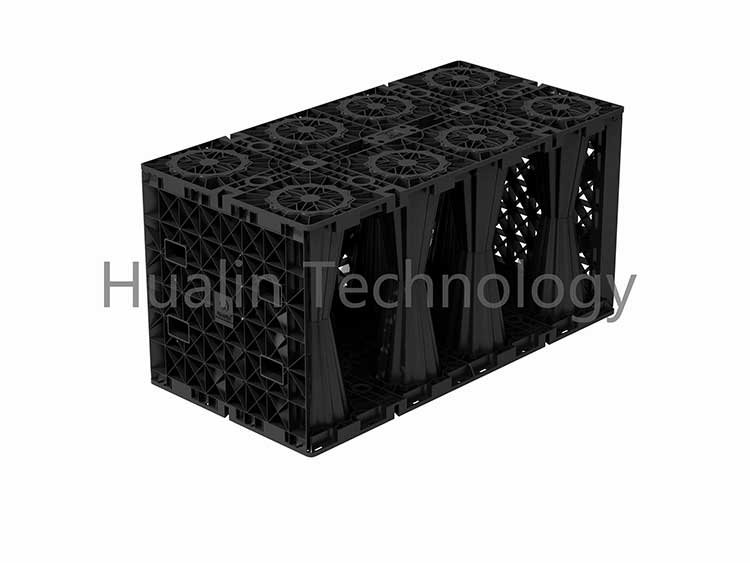
Rainwater Harvesting Tanks 60T
Send Your Inquiry Today
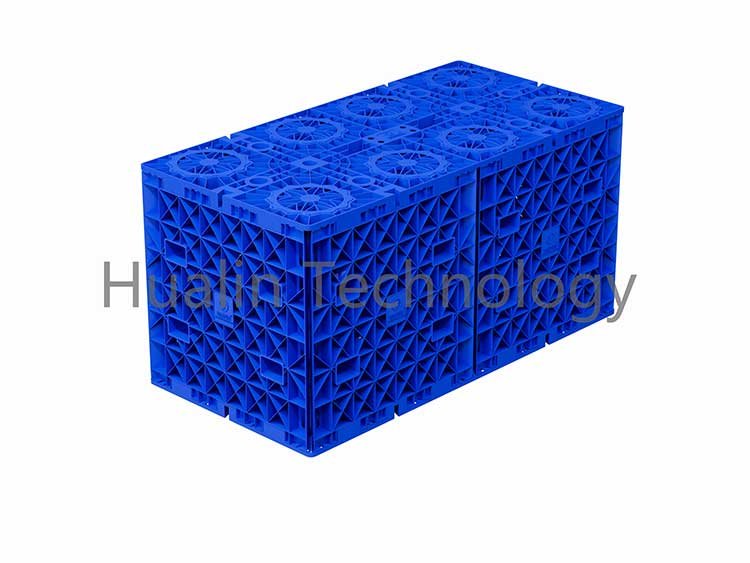
Rainwater Harvesting Tanks 80T
Send Your Inquiry Today
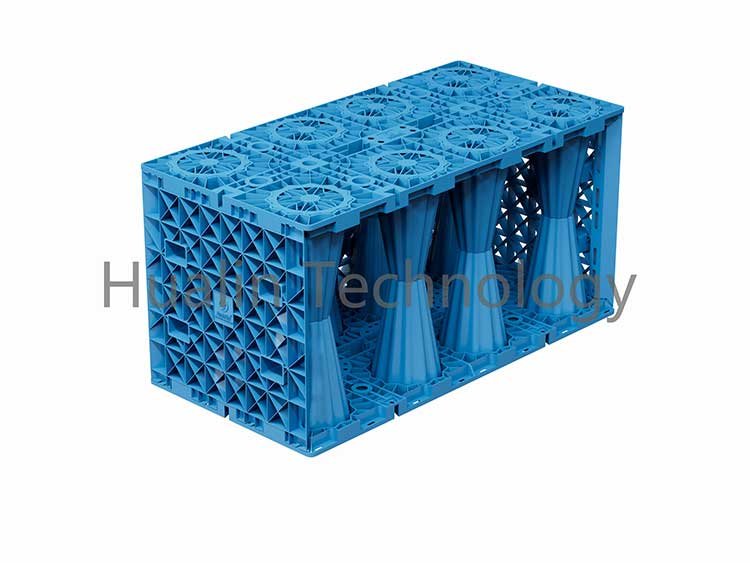
Rainwater Harvesting Tanks 100T
Send Your Inquiry Today
Rainwater Harvesting Tanks Specifications
| Material | Virgin Polypropylene (PP) |
| Color | Black/Blue |
| Dimensions | 1000 × 500 × 500 mm |
| Height [h] * | 500mm |
| Weight *(1 m3) (withoutaccessories) | Blue:37.6/42.4/47.6 kgBlack:38.4/44.0/49.2 kg |
| Volume | 0.25m3(4pcs= 1m3) |
| Net volume | 0.2375m3 |
| Void Ratio | 95% |
| Load Class | 20T/30T/45T/60T/70T/80T/90T/ 100T |
| Production place | Guangdong Province, Foshan City, China |
Rainwater Harvesting Tanks of feature
Rainwater Harvesting Tanks not only efficiently collect and store rainwater, but also, through their modular design, can be flexibly integrated into the urban landscape, enabling the natural infiltration and purification of rainwater resources. This aligns with the principle of “source dispersion, slow drainage, and sustained release” advocated in low-impact development. When combined with low-impact development measures such as green roofs and permeable pavement, Rainwater Harvesting Tanks can form a multi-layered stormwater management system, effectively mitigating surface runoff and reducing the risk of urban flooding.
Send Your Inquiry Today
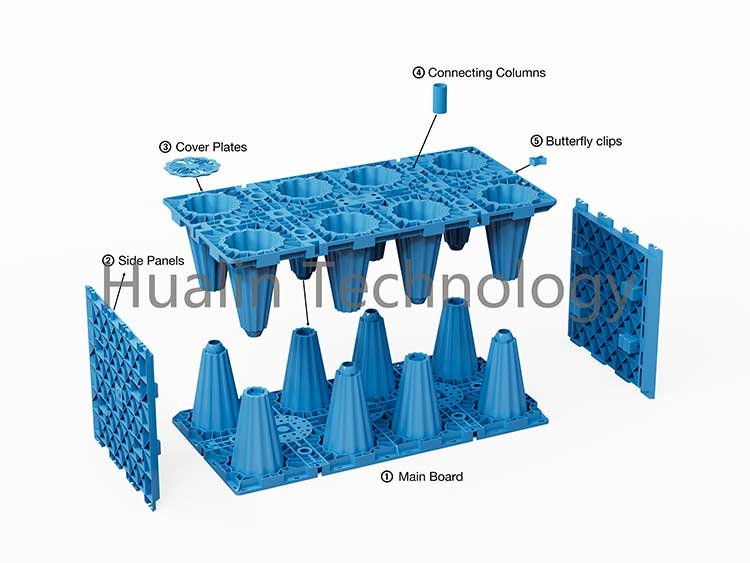

Rainwater Harvesting Tanks main advantages
Send Your Inquiry Today
Rainwater Harvesting Tanks of Applications
Send Your Inquiry Today

Rainwater Harvesting Tanks construction site
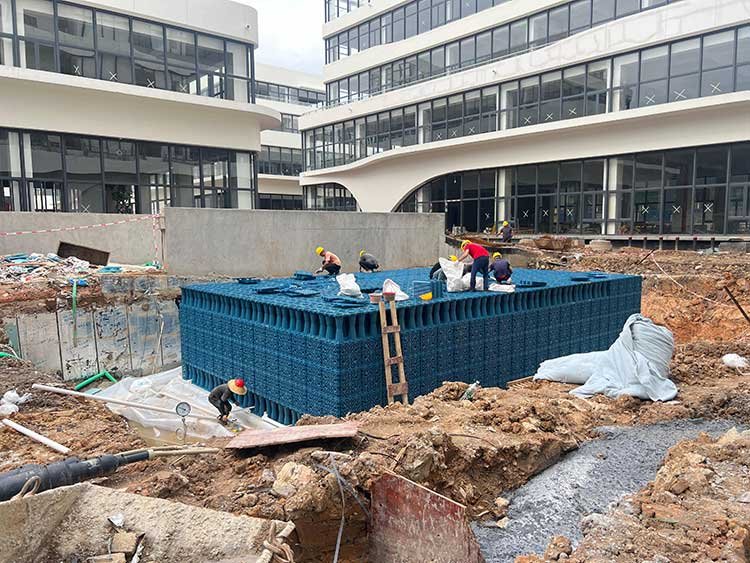
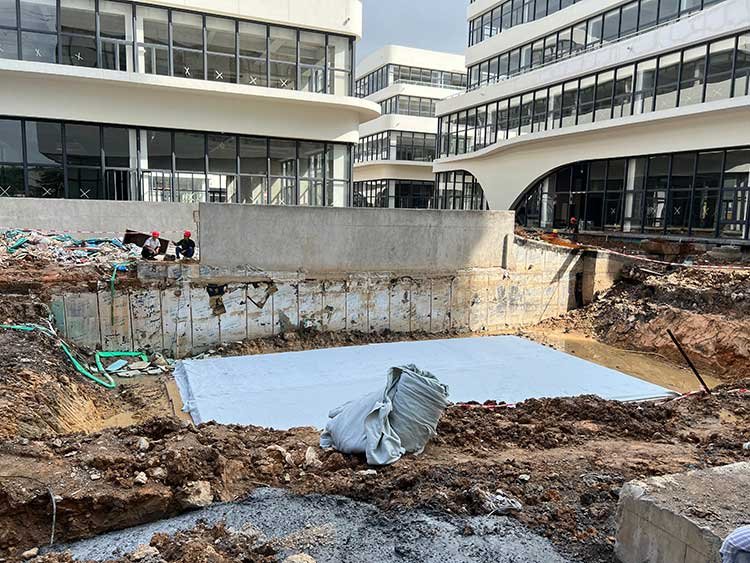
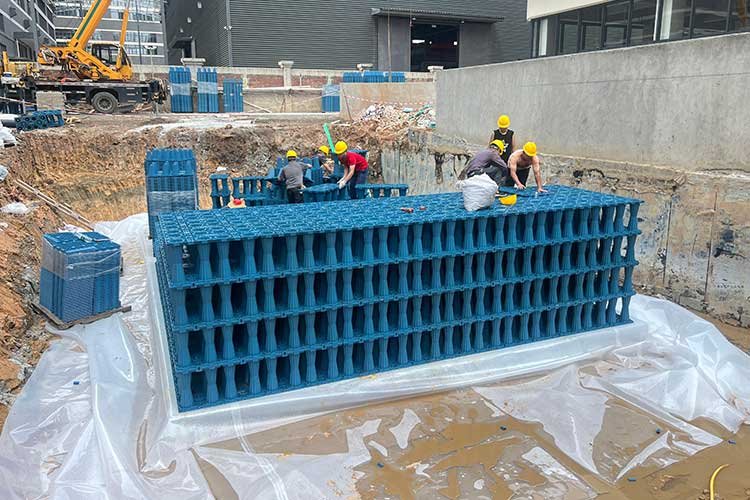
Plastic rainwater modules are combined to form an underground pool. Depending on the project requirements, the pool can be wrapped with either impermeable or one-way permeable geotextiles to create either a water storage tank or an infiltration and flood control pond. The rainwater modules are easy to install, have a high load capacity, and are resistant to mosquitoes, flies, and algae. They are suitable for comprehensive rainwater utilization in large residential areas, industrial parks, plazas, and other areas.
Installation Steps
Rainwater Collection Why Use Rainwater Harvesting Tanks
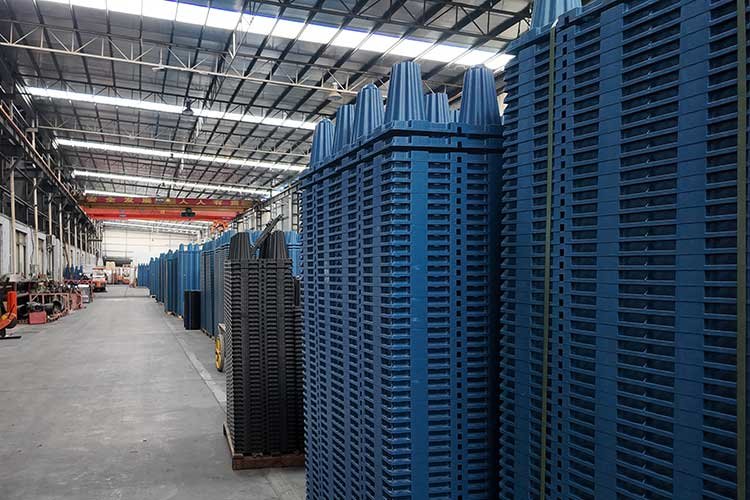
Environmental Protection and Resource Utilization
The rainwater module is made of PP plastic, which is non-toxic, environmentally friendly, and recyclable. It effectively alleviates urban flooding, controls runoff pollution, and regulates groundwater levels. The collected rainwater can be used for road washing, garden irrigation, industrial cooling, and other applications after treatment, reducing reliance on municipal water supplies.
Efficient Storage and Intelligent Management
The new generation module utilizes a honeycomb structure to enhance compressive strength and water storage efficiency. Its modular assembly allows for flexible adaptation to varying terrains. A built-in three-stage filtration system automatically traps impurities, ensuring water quality meets standards for reclaimed water reuse. Empowered by IoT technology, it monitors water levels, water quality, and equipment status in real time, integrating weather forecasts to optimize water storage and water use, and improving water resource scheduling efficiency by over 40%.
Economic Benefits and Space Optimization
The rainwater module is easy to install and removable, making it highly efficient in underground space and eliminating the need for above-ground space. Compared to traditional reservoirs, it offers lower transportation and maintenance costs and a service life of over 40 years, requiring no regular maintenance. In scenarios such as residential areas and industrial parks, the module combination can quickly build a distributed rainwater collection network, forming an urban “sponge” structure and alleviating pressure on the municipal pipeline network.
Related Products
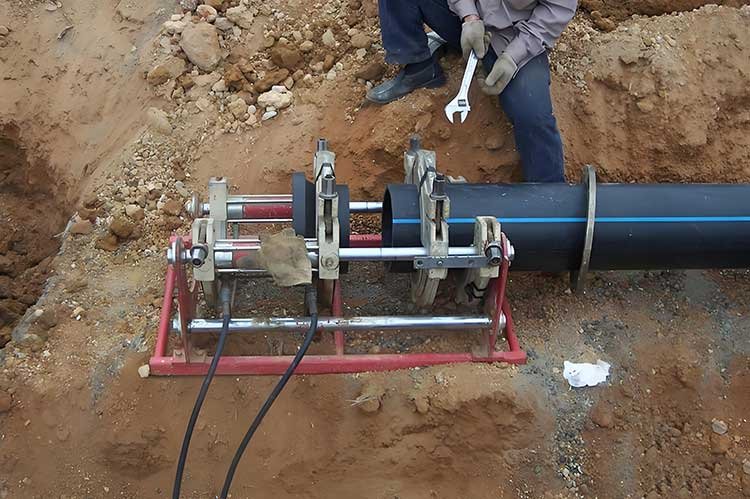
What is PE Electrofusion Welding?
The most common PE pipe connection methods in pipeline installation include: heat fusion connection, electrofusion…
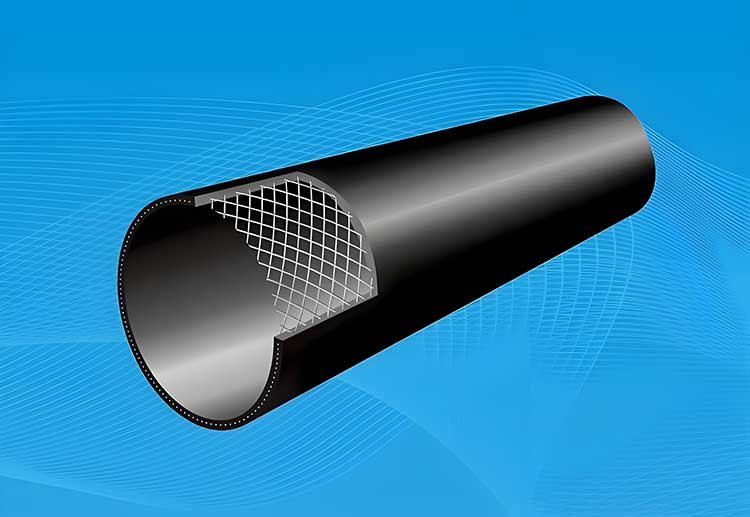
What is PE Steel Wire Mesh Composite Pipe?
Are you looking for plastics suitable for municipal water supply and drainage? PE steel wire…
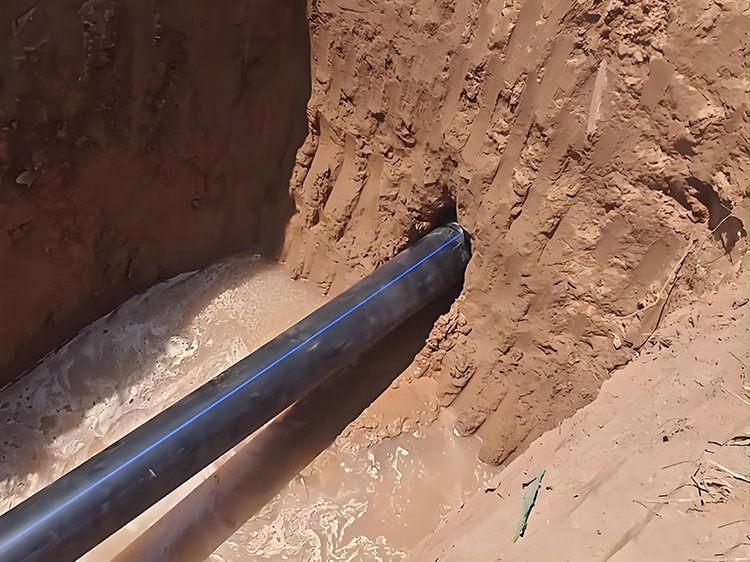
Comprehensive Guide to Trenchless PE Pipe Technology
With the acceleration of global urbanization, municipal construction requires the laying and replacement of a…
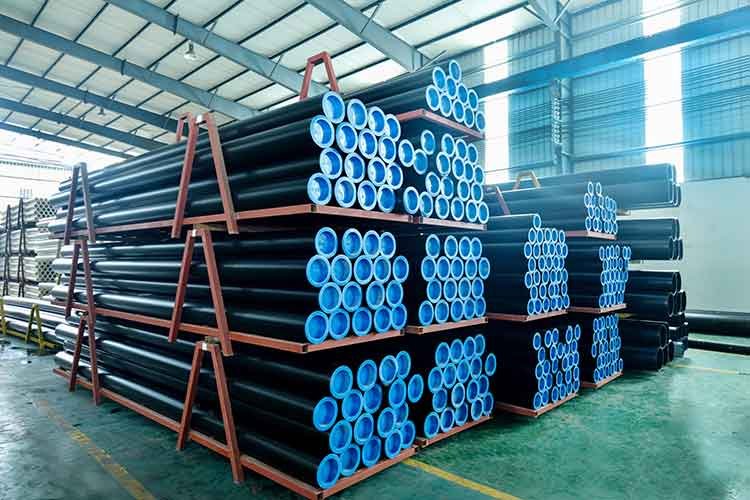
Why use HDPE pipes in siphon drainage systems?
When it rains, you can hear a terrifying gurgling sound occasionally coming from the drainpipes,…
Pipe Specification Designation – Comprehensive Guide
Pipe specifications are commonly indicated using various methods such as DN, inch, D, Φ, De,…
How to calculate PE pipe wall thickness
PE pipes are widely used in urban water supply and drainage, gas, telecommunications, and power…


